Whether you've got stories to tell or art to create, there's a place for you here.

EdTech Professionals
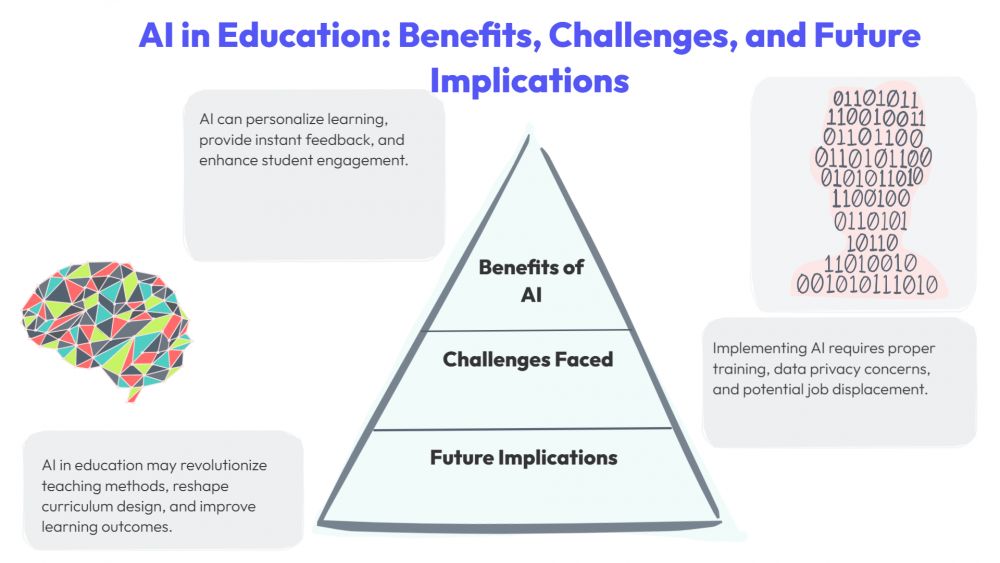
Visualizing AI in Education Scenarios
-
SDSwarnali Das- Co-founder, Chief Product Officer, Drawify
-
Jan 05, 2026 5 min read
There's something magical about watching abstract concepts come to life before your eyes. In education, we've long known that visualization transforms learning—turning the invisible into something tangible, something real. Now, as artificial intelligence weaves itself into the fabric of our classrooms, we face a new challenge: how do we help students, teachers, and parents truly see what AI in education looks like?
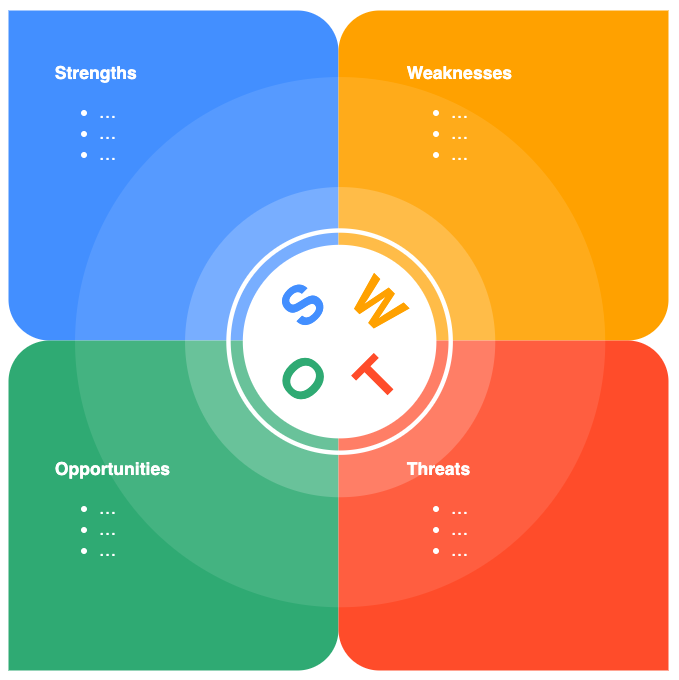
Enter Drawify, a tool that's changing the conversation by making the intangible visible!
Why Visualization Matters More Than Ever:
Picture a teacher trying to explain how an AI tutoring system adapts to each student's learning pace. Words can only go so far. But show them a visual representation—a flowchart that breathes, an infographic that tells a story—and suddenly, understanding clicks into place. That's the power Drawify brings to educational conversations about AI.
We're living through a transformation in how we teach and learn, and visualization is no longer just helpful—it's essential. When we can see how AI personalizes learning paths, identifies knowledge gaps, or assists teachers with administrative tasks, we move from abstract fear or hype to concrete understanding.
Real Scenarios, Real Impact:
Let's walk through some moments where Drawify transforms how we communicate AI's role in education.
The Adaptive Learning Journey: Imagine creating a visual map that shows a student's path through a lesson. One student races through multiplication, so the AI suggests advanced problems. Another struggles with fractions, triggering additional practice and alternative explanations. With Drawify, educators can illustrate these branching pathways, helping stakeholders understand that AI isn't replacing teachers—it's enabling truly personalized attention at scale.
The Teacher's Dashboard Come to Life: Teachers are drowning in data. Attendance records, assignment submissions, assessment scores—it's overwhelming. Drawify can help visualize how AI aggregates this information into actionable insights. A simple diagram showing how scattered data points become clear patterns helps administrators see why investing in these tools matters. It shows the "before and after" in a way that spreadsheets never could.
Demystifying the Chatbot Tutor: Many students now have access to AI tutoring assistants, but how do they actually work? Using Drawify, educators can create friendly, accessible visuals showing the conversation flow—how a student asks a question, how the AI understands context from previous interactions, and how it provides scaffolded hints rather than direct answers. This transparency builds trust with parents who might otherwise worry about their children relying on "a machine."
The Human Touch in Digital Visualization:
What makes Drawify particularly valuable isn't just its technical capabilities—it's how it helps us tell human stories through digital means. Education has always been about connection, about lighting that spark of understanding in a student's eyes. Good visualization honors this tradition.
When you're designing visuals about AI in education, think about your audience. A diagram for fellow teachers might include technical details about machine learning algorithms. But for parents at a school board meeting? They need to see how AI helps their specific child, in their specific classroom, with their specific challenges.
Drawify's flexibility allows you to shift between these perspectives, creating visuals that resonate emotionally while remaining factually accurate. You can add warm colors to represent human teachers, cooler tones for AI systems, showing how they complement rather than compete with each other.
Building Bridges, Not Barriers:
One of the most profound uses of visualization in AI education is addressing the fear factor. Many educators worry that AI will replace them. Many parents fear it will depersonalize learning. Students might wonder if they're being "tracked" or "judged" by algorithms.
Thoughtful visualization can address these concerns head-on. Show the teacher at the center of the learning ecosystem, with AI tools orbiting around them as supportive resources. Illustrate data privacy measures with clear visual boundaries and locks. Depict the feedback loop where human judgment always has the final say.
These aren't just pretty pictures—they're conversation starters that lead to real understanding and genuine buy-in.
As AI continues to evolve in educational settings, our ability to visualize and communicate these changes will only grow more critical. Drawify isn't just a tool for creating diagrams; it's a bridge between innovation and understanding, between the possible and the practical.
The most successful AI implementations in education won't be the most technologically advanced—they'll be the ones that people understand, trust, and embrace. And that understanding begins with helping people see, truly see, what's happening in their classrooms.
So, whether you're a curriculum designer explaining a new AI-powered assessment tool, a principal presenting to concerned parents, or a teacher helping students understand how their digital learning companion works, remember this: a good visual doesn't just inform—it invites people into the story. It makes them part of the conversation rather than spectators to change they don't quite grasp.
That's the real power of visualization. That's the promise of tools like Drawify. And that's how we'll navigate this exciting, challenging, transformative era of AI in education—together, with clarity, and with vision.
Post This Article to Your Socials
Popular Topics
- Events
- Workshops
- Visual Storytelling
- How to video
- Communities
- Sketchnoting
- Templates
- UX Designers
- Agile Professionals
- Product Managers
- Freelance Graphic Designers
- Creative Tech Enthusiasts
- Online Course Creators
- Social Media Content Creator
- Creative Agency Owners
- Marketing Professionals
- EdTech Professionals
- Scrum Masters
Similar Articles
Come, Be Part of Something Special
-
Got ideas that need visual superpowers?
Jump in and start creating presentations and communications that people actually remember.
Sign In -
Are you an artist ready to grow?
Join our Drawifier family and focus on what you love most - creating art that matters.
Become a Drawifier
Get visualisation tips every week
Subscribe to the Drawify Newsletter, and feed your creativity with visualisation tips and techniques, as well as the latest Drawify workshops, news and resources.